












How to Clean Leather Car Seats Like a Pro (Step-by-Step)
Leather seats look and feel premium, but dirt, body oils, sunscreen and everyday use slowly dull the finish and, if ignored, lead to cracking. The good news: cleaning leather car seats properly takes about 30 minutes and a few professional products. Here is the exact method LeTech technicians use, adapted for home detailing.
What you will need
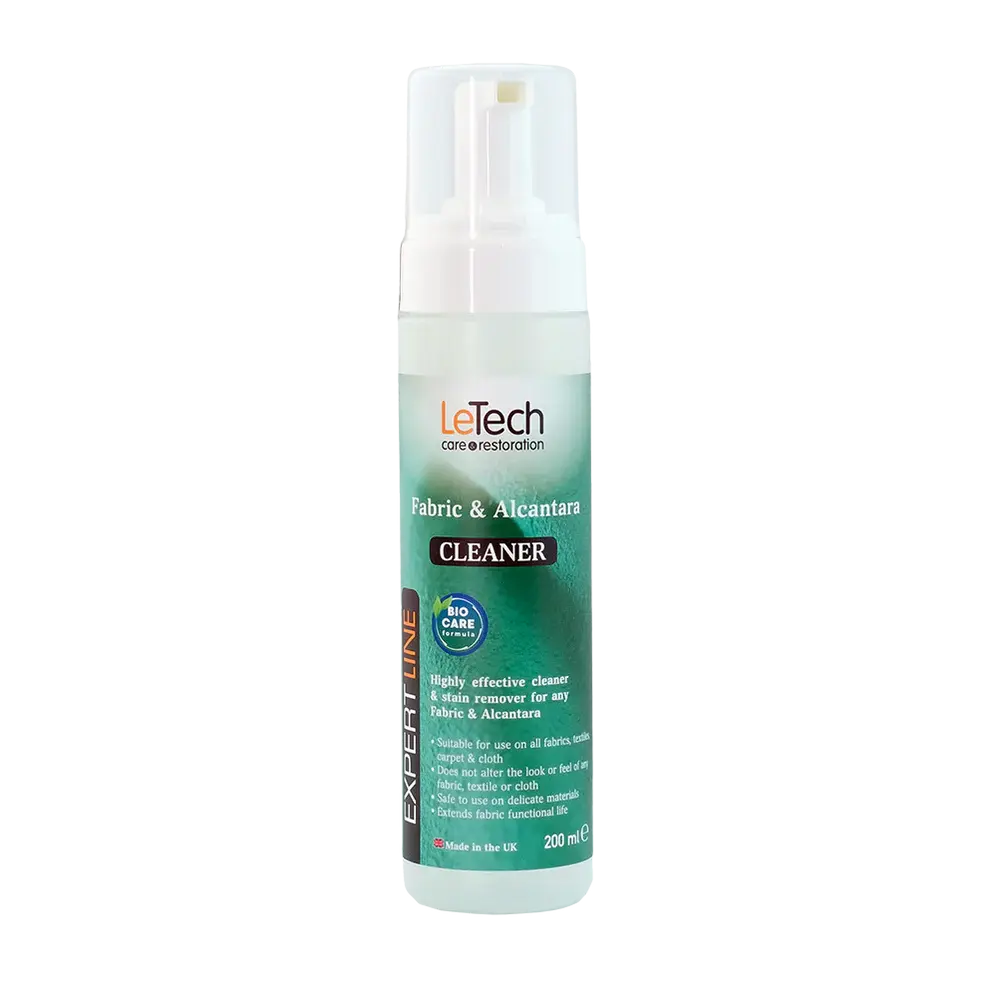
- LeTech Leather Ultimate Cleaner (BIOCARE) – a pH-considered, water-based foaming cleaner safe for genuine leather.
- Foaming bottle for even application.
- Premium leather brush with soft natural bristles.
- Two clean microfiber towels.
- Leather Lotion X-Guard for conditioning and UV protection.
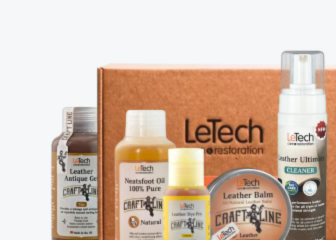
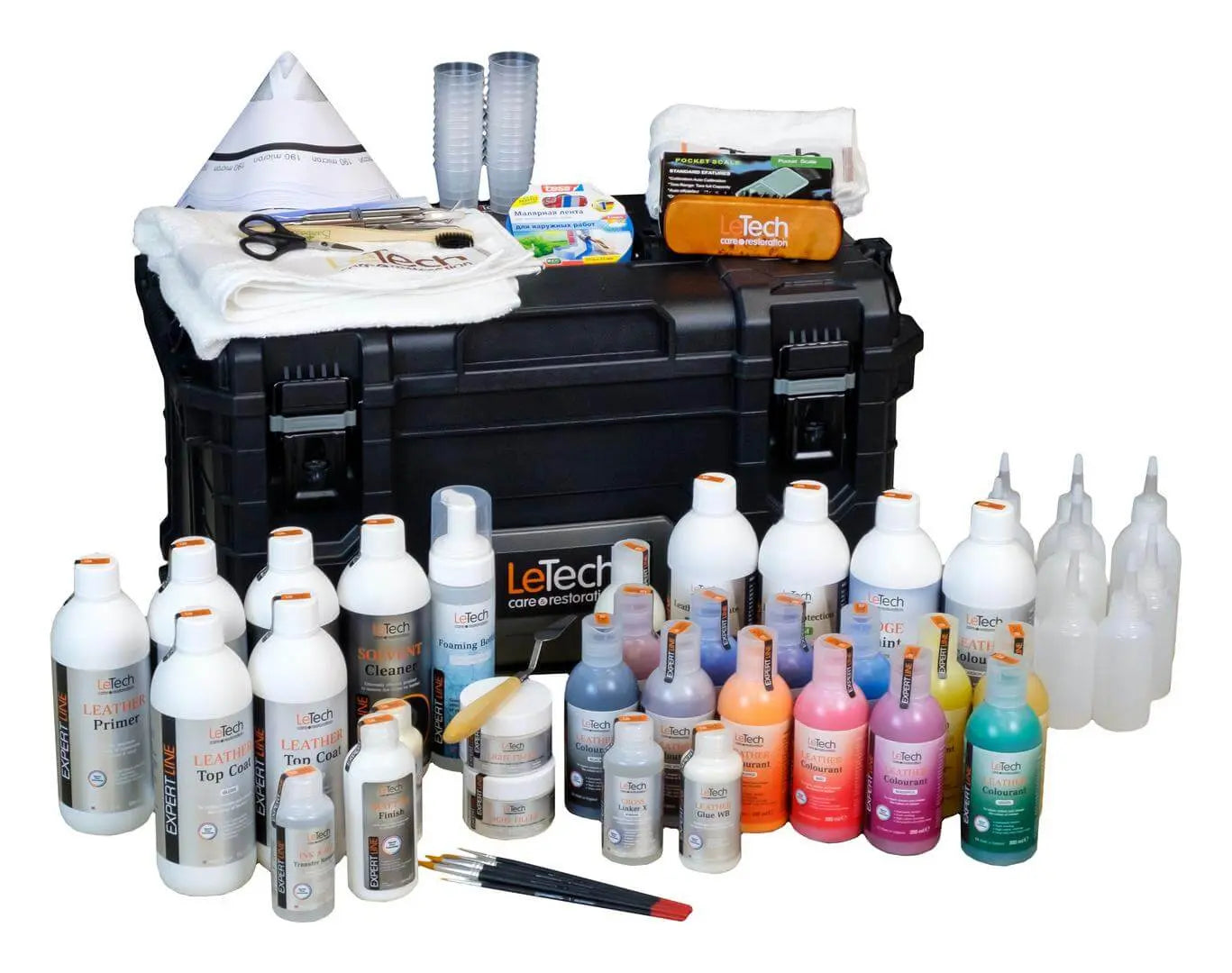
Prefer everything in one box? The LeTech Leather Care Kit bundles the cleaner, protection and applicators.
Step 1 – Identify your leather and patch test
Most car seats are coated (pigmented) leather, which is durable and cleans easily. Whatever the type, always test your cleaner on a hidden area first.
Step 2 – Vacuum and dry-brush
Vacuum crumbs and grit from seams and perforations. Loose grit acts like sandpaper during cleaning, so do not skip this. Lightly dry-brush to lift embedded dust.
Step 3 – Apply cleaner and agitate
Dispense Leather Ultimate Cleaner as foam onto the brush rather than flooding the seat. Work in small sections with light, circular motions. The BIOCARE foam lifts oils, dirt and light dye transfer without stripping the finish. On perforated seats, use minimal foam and never soak.
Step 4 – Wipe and repeat
Wipe each section with a clean, damp microfiber towel, then buff dry. For heavily soiled areas such as the bolster and headrests, repeat once rather than scrubbing harder.
Step 5 – Tackle stubborn stains
- Ink or dye transfer: use a targeted Leather Alcohol Cleaner on a cloth, dabbing gently.
- Grease and body oil (headrests): a Leather Degreaser pulls oil out of the surface.
Step 6 – Condition and protect
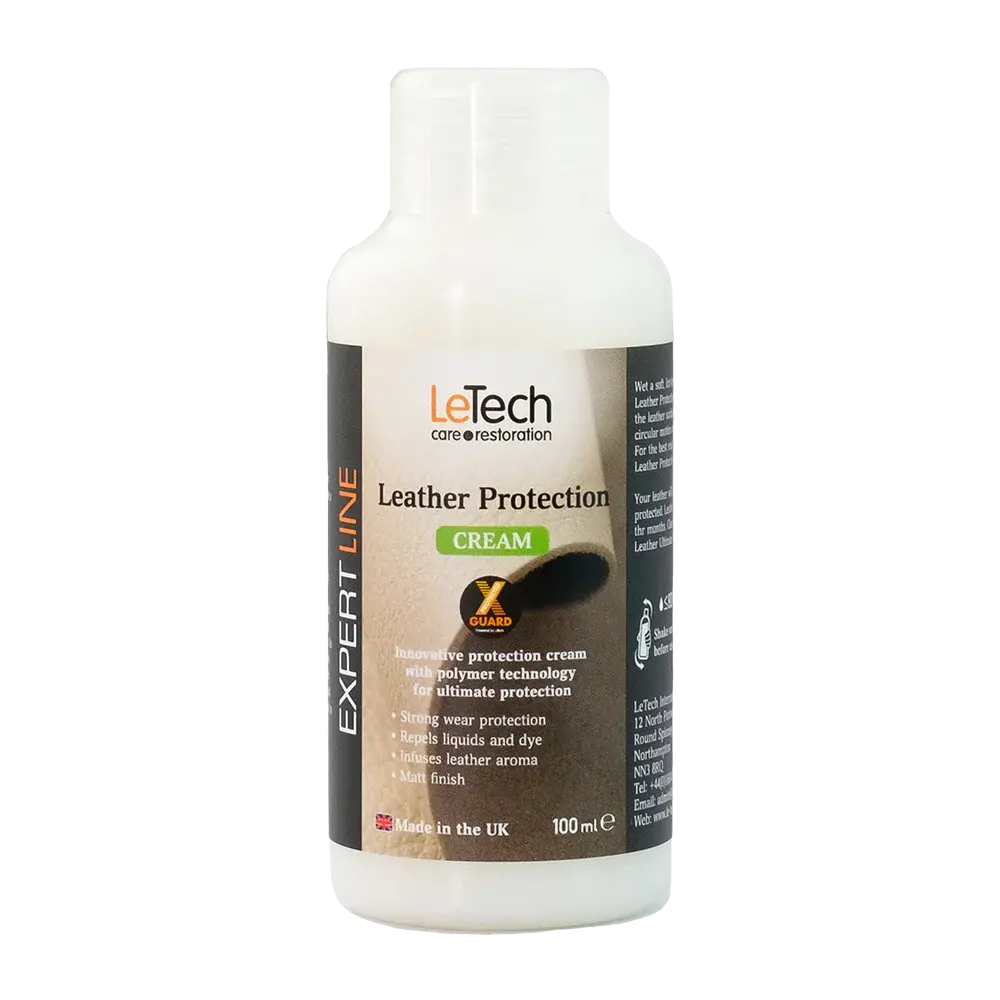
Once dry, apply a thin layer of Leather Lotion X-Guard. This restores suppleness and adds UV protection, the single most effective way to prevent the cracking and fading that ruin leather seats.
Step 7 – Build a simple routine
Light clean every 4–6 weeks, condition every 2–3 months, and park in shade or use a sunshade when possible.
FAQ
How often should I clean leather car seats?
A light clean every 4–6 weeks and conditioning every 2–3 months keeps leather healthy. Light-coloured leather benefits from more frequent care.
Can I use household cleaners or baby wipes?
Avoid them. Many contain alcohols or high-pH agents that dry out and crack leather over time. Use a purpose-made, pH-considered leather cleaner.
Is it safe for perforated leather seats?
Yes, if you use foam sparingly and do not let liquid pool in the perforations. Apply to the brush or cloth rather than spraying directly.
Will cleaning remove fading or cracks?
Cleaning restores appearance but will not reverse deep fading or cracks. For that you will need recolouring and repair.
Compartir

