






How to Dye Leather Car Seats: Complete DIY Guide
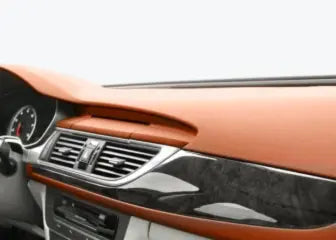
Faded, worn or the wrong colour? You do not need to reupholster. With the right water-based system and careful prep, you can recolour leather car seats to a durable, even, factory-look finish at home. Preparation is 80% of the result, so follow every step and do not rush the drying.
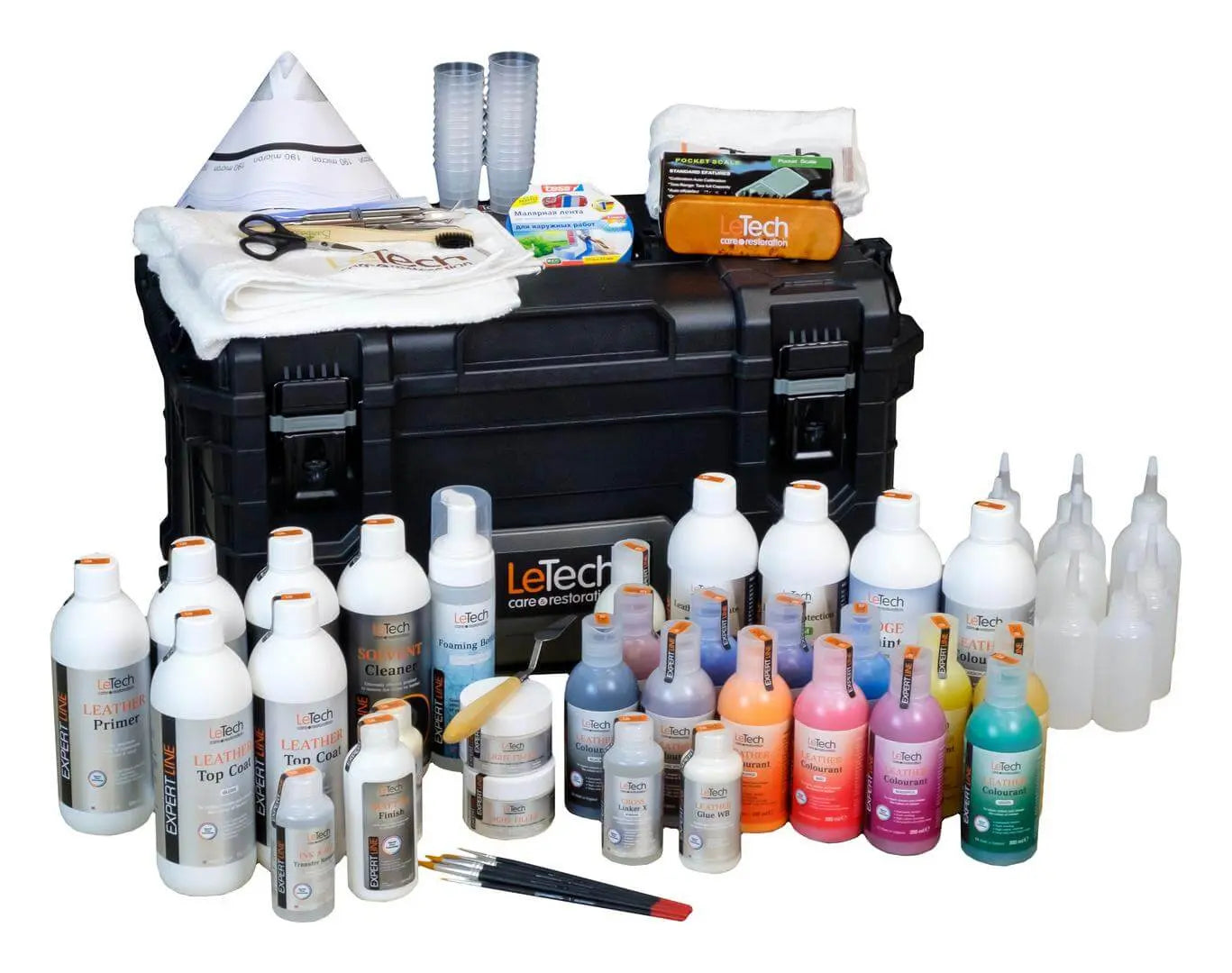
What you will need
- Leather Prep and Solvent Cleaner or Alcohol Cleaner for degreasing and keying.
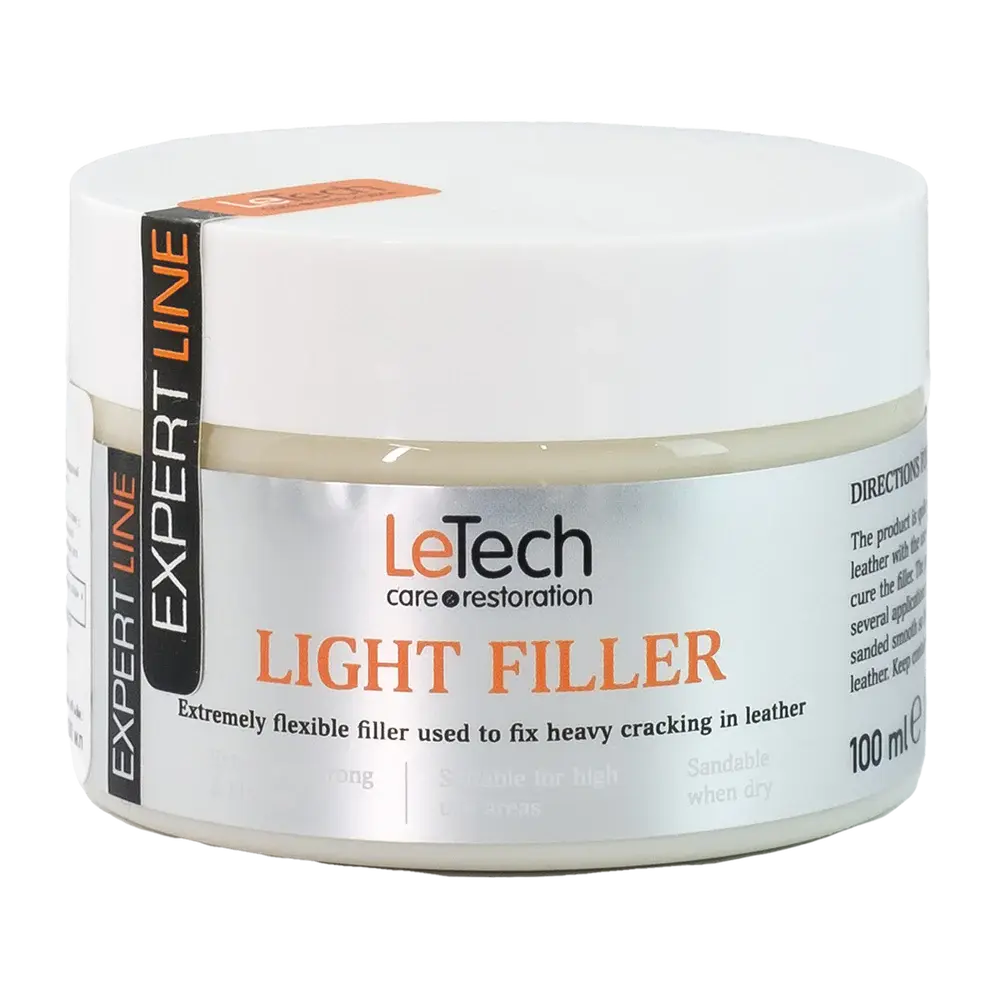
- Leather Filler and Leather Binder for cracks and worn areas.
- Leather Primer for adhesion.
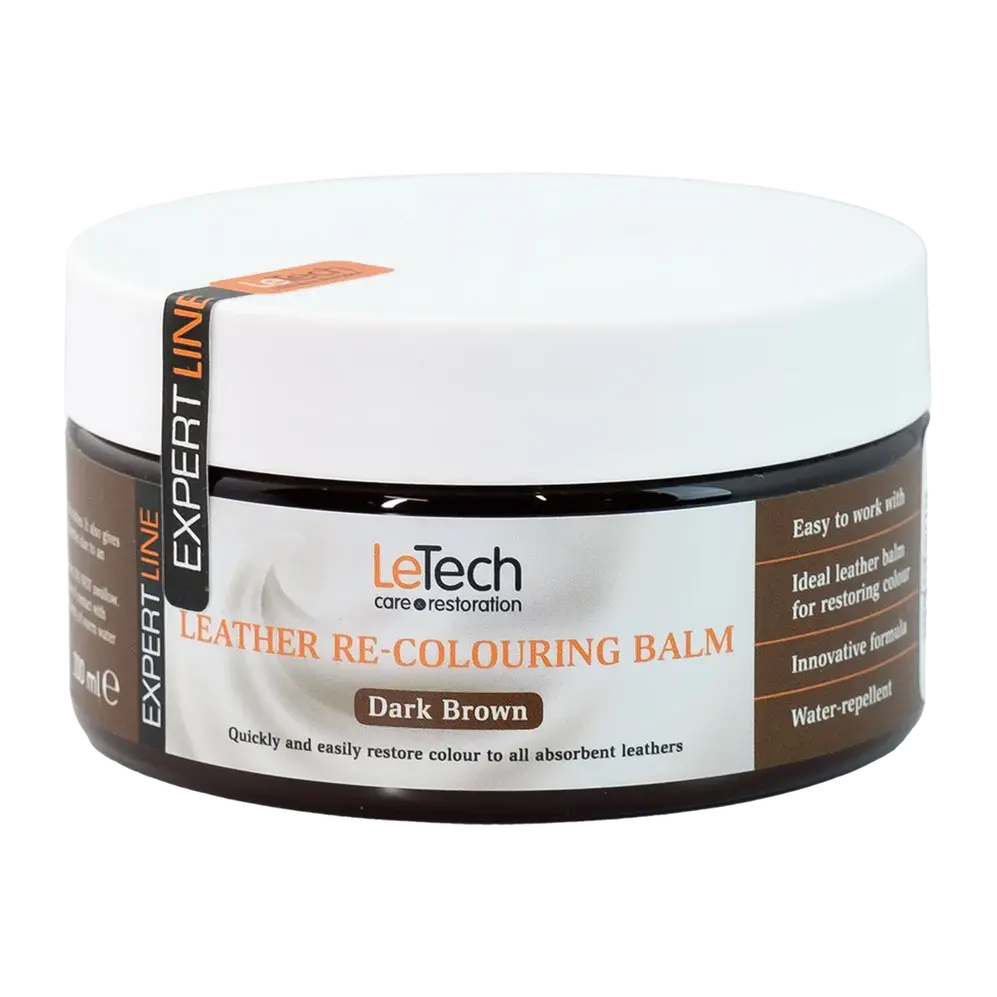
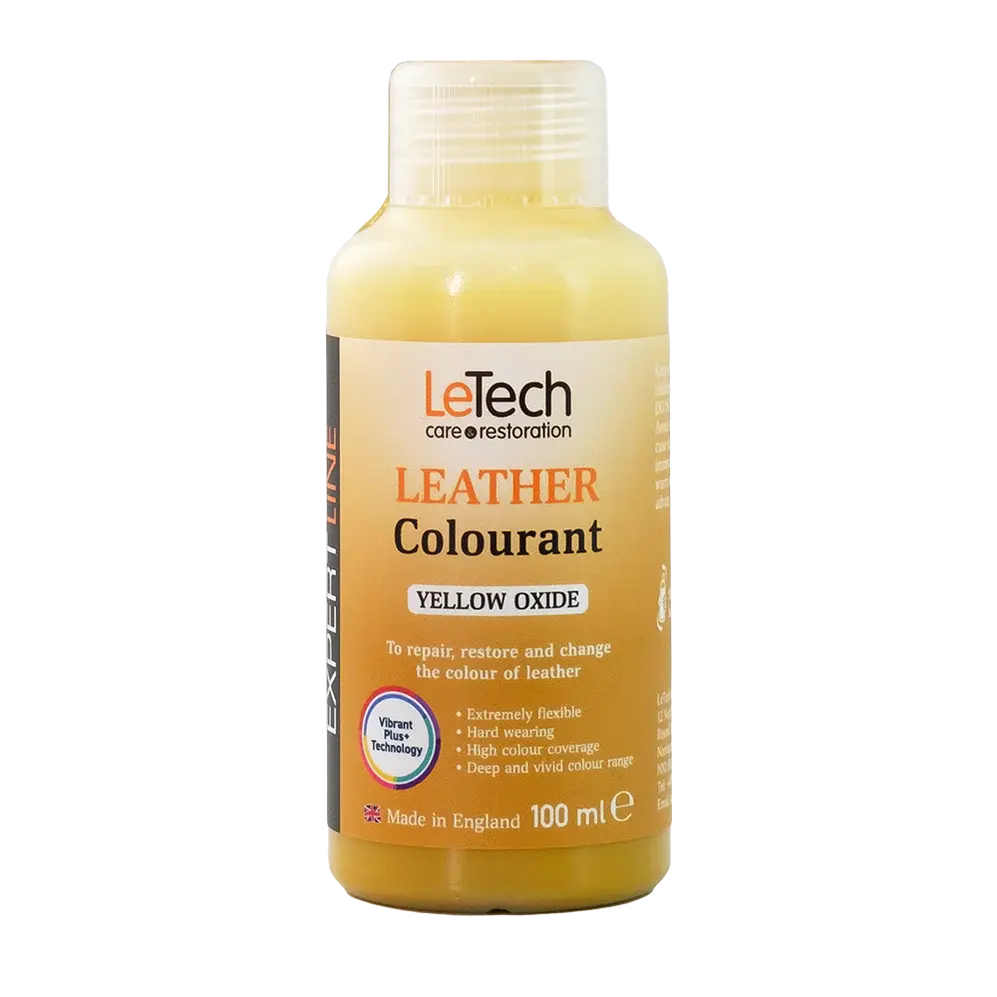
- Leather Colourant, water-based, 100+ colours plus custom matching.
- Top Coat Matt or Gloss to seal.
Browse the full leather colourants range and repair and prep collection.
Step 1 – Deep clean
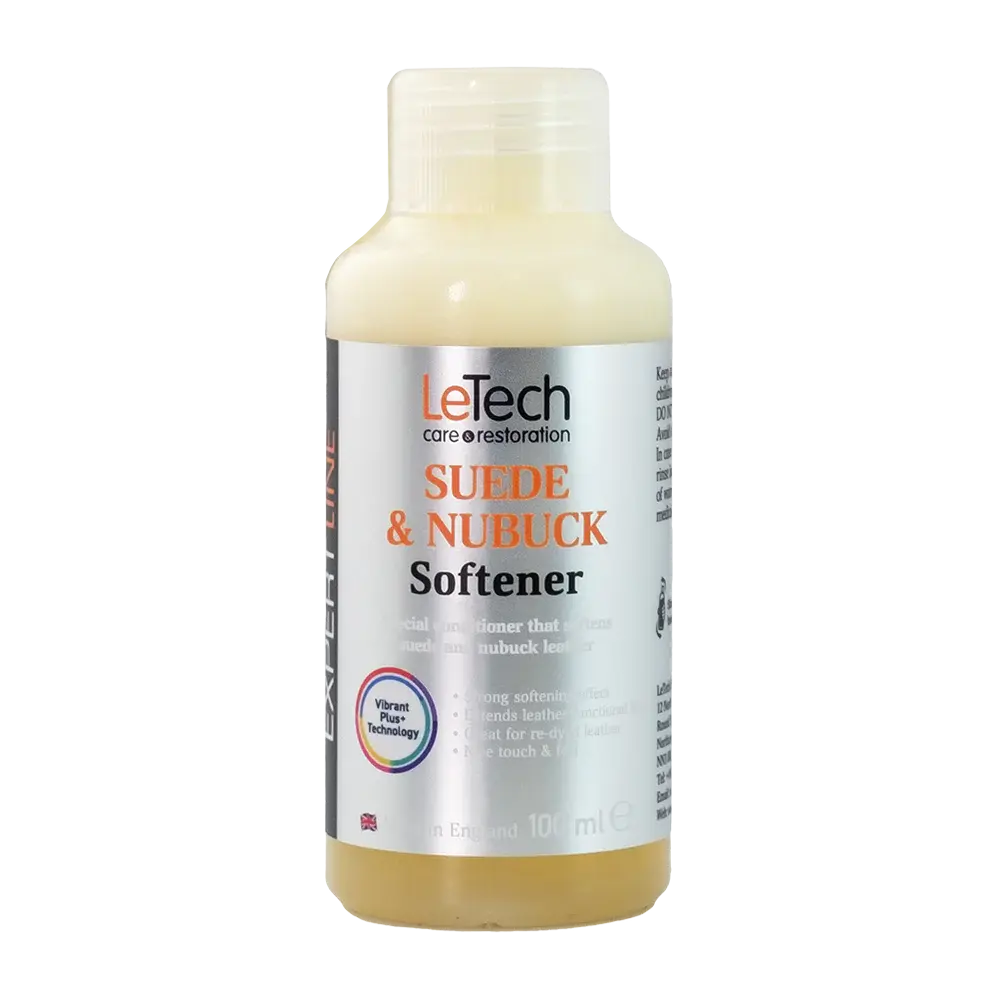
Start with a thorough clean using Leather Ultimate Cleaner. Colour will not bond over dirt or old care products.
Step 2 – Degrease and key the surface (critical)
Wipe the leather with Leather Prep, and use Solvent Cleaner on oily areas like headrests and the driver bolster. This removes silicones, oils and the top gloss so new colour can grip. Skipping this is the number one reason home dye jobs peel.
Step 3 – Repair damage first
Fill cracks, scuffs and worn patches with Leather Filler, building thin layers. For badly worn, fibrous areas, stabilise first with Leather Binder. Lightly smooth once cured.
Step 4 – Prime for adhesion
Apply a thin, even coat of Leather Primer. It levels porosity and creates a receptive base, especially important on slick automotive leather.
Step 5 – Apply colourant in thin coats
Apply Leather Colourant in several thin coats using a sponge, brush or airbrush, drying between each. Thin coats keep the leather flexible and prevent cracking. Two to four coats usually give full coverage. Need an exact factory shade? Ask us about custom colour matching across our 100+ colours.
Step 6 – Seal with a top coat
Lock in colour and abrasion resistance with a Top Coat. Choose matte for an OEM automotive look or gloss for a sheen. Apply one to two thin coats.
Step 7 – Cure and maintain
Let the seats cure and avoid heavy use for 24–48 hours. Then maintain with gentle cleaning and periodic conditioning.
FAQ
How long does a leather dye job last?
With proper prep, priming and a top coat, a water-based recolour can last many years, flexing with the leather instead of peeling.
Can I change the colour completely, for example tan to black?
Yes. Going darker is easiest; going much lighter needs more coats and careful coverage.
Matte or gloss top coat for car seats?
Most car interiors use a matte or satin finish for a factory look and lower glare. Gloss suits accents or a custom look.
Can you dye perforated leather seats?
Yes, apply thin coats and avoid clogging the perforations. Airbrushing gives the cleanest result on perforated surfaces.

