








How to identify leather
How to Identify the Type of Leather
Learning how to identify the type of leather quickly and correctly is essential. Each leather family has unique characteristics defined by its tanning and finishing process. Accurate identification helps you choose the right cleaning, conditioning, and restoration method—whether you’re a professional restorer, a detailing center, or an enthusiast caring for shoes, clothing, bags, or interiors.

Why identification matters
Using the correct routine prevents color loss, surface damage, and premature wear. This guide explains how to identify the type of leather in minutes and select the right LeTech products for long-term protection and a premium finish. For best results, combine visual checks with simple tests to confirm whether you have aniline, pigmented, suede, nubuck, or synthetic leather.
Leather Types · How to Identify the Type of Leather (Key Characteristics)
We group leather into families with similar behavior and care procedures. Here’s a concise overview that helps you quickly identify leather types before choosing cleaners, conditioners, and protection.

1) Vegetable-tanned leather
Premium and specialty goods (e.g., saddlery). Tanned with natural tannins from wood, bark, and gallnuts. Natural grain, soft matte glow, flexible feel, high absorbency; develops a rich patina. To identify this leather, note warm tone shifts and rapid darkening on a small water drop.
2) Uncoated / bare leather (aniline, pull-up, waxed)
Fashion accessories, clothing, designer footwear. Minimal or no protective topcoat. Open-pored, absorbs moisture quickly; prone to staining and fading. Pull-up/waxed treated with oils & waxes → soft hand, gentle sheen. You can identify this type by light scratch marks and quick water absorption.
3) Dyed & protected (pigmented, embossed, semi-aniline, vintage, bicast)
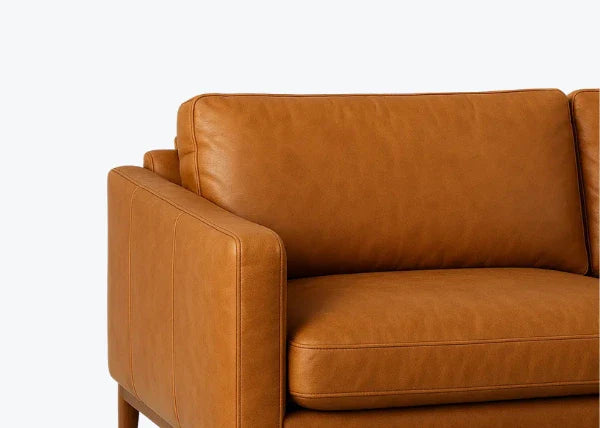
Furniture, footwear, outerwear. Protective film or pigment layer; embossed textures common. Vintage has delicate finish; bicast has dense PU/PVC surface. Easier maintenance, low absorbency. This leather type is identified by water beading and resistance to light scratches.
4) Suede & nubuck
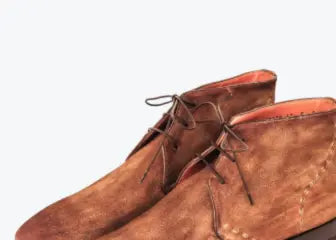
Velvety nap created by sanding. Suede—thicker, fluffier nap; nubuck—fine, more wear-resistant. Both are absorbent and require dedicated care to avoid staining and fading. Identify by visible nap movement and strong darkening when damp.
5) Synthetic (faux / eco) leather
PU/PVC layer on textile base. UV-stable and non-absorbent but can feel cold or overly glossy. Deep creases and delamination may occur over time. Identify by perfectly uniform grain, plastic-like shine, and no absorption.
Step-by-Step: How to Identify the Type of Leather
Test on a discreet area first. Combine observations for accuracy. Use this checklist any time you need to identify leather at home or in a workshop.
1) Visual inspection
Suede & nubuck: easy to spot by velvety nap and high absorbency. Smooth or embossed surface can indicate dyed, aniline, or semi-aniline—confirm with the tests below. If you’re unsure how to identify the type of leather from grain alone, proceed to water and scratch tests.
2) Protective coating test
Lightly scratch with a fingernail in a hidden spot:
• No mark → protective topcoat (often pigmented or coated).
• Visible mark → likely aniline / uncoated.
Pros: Use a magnifier to inspect grain texture and finish clarity.
3) Water absorption test
Place a small drop and rub gently:
• Absorbs quickly → aniline / pull-up / waxed.
• Beads on top → pigmented / semi-aniline / bicast.
Suede authenticity: synthetic suede is water-repellent (water sits on top); natural suede absorbs, darkens, and stiffens.
4) Flex & shine test
If it scratches and absorbs, bend slightly: pull-up/waxed lightens on the fold; aniline does not. If it doesn’t scratch/absorb and has soft matte glow → pigmented. Harsh plastic-like shine → likely bicast.
In Summary
Understanding the type of leather is the key to maintaining both its beauty and durability.
Each category — from natural aniline to advanced synthetics — requires a unique approach. This article showed you how to identify the type of leather through quick visual checks and simple tests.
Follow the step-by-step instructions above and the visual guide below to confidently identify your leather type and choose the right professional care products.


